
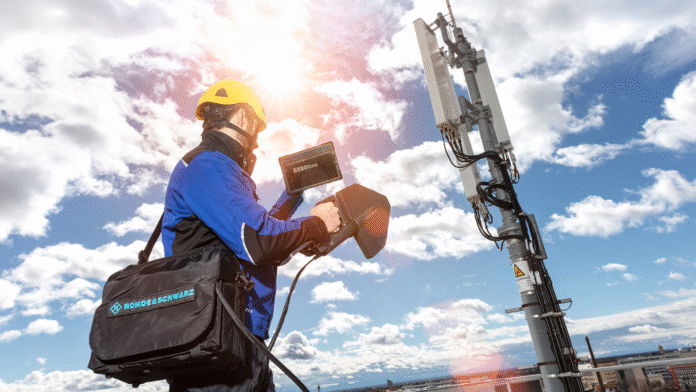
In the ever-evolving world of wireless communications, antennas play a crucial role in determining signal quality, coverage, and overall system performance. To ensure that antennas meet stringent performance criteria, Over-The-Air (OTA) testing has emerged as an essential evaluation technique. This article explores the significance of OTA testing in optimizing antenna performance and outlines best practices for effective testing procedures.
Understanding OTA Testing and Its Importance
OTA testing refers to the process of evaluating the performance of wireless devices, including antennas, by transmitting and receiving signals through the air interface rather than via wired connections. Unlike traditional conducted testing methods that rely on direct cable connections, OTA testing provides a realistic assessment of an antenna’s behavior in real-world environments. This is especially critical as antennas operate in complex electromagnetic conditions that can affect their radiation patterns, gain, and overall efficiency.
The primary goal of OTA testing is to measure parameters such as total radiated power, sensitivity, antenna pattern, and signal quality under varying conditions. These measurements help engineers identify any deficiencies or inconsistencies in antenna design or placement, allowing for necessary improvements before the device reaches the consumer market. By performing OTA testing, manufacturers can ensure compliance with regulatory standards and optimize the wireless experience for end users.
Key Components of Effective OTA Testing Procedures
To optimize antenna performance through OTA testing, it is important to establish robust and repeatable testing procedures. First, selecting an appropriate test environment is vital. Anechoic chambers, which are specially designed rooms lined with radio wave-absorbing material, provide a controlled setting free from reflections and external interference. This environment enables precise characterization of an antenna’s radiation pattern and gain.
Second, the choice of test equipment must be carefully considered. High-quality signal generators, spectrum analyzers, and positioners are necessary to accurately simulate various signal scenarios and capture the antenna’s response. The positioner, in particular, allows for automated rotation and tilting of the device under test, ensuring comprehensive coverage of all relevant angles.
Third, the test plan should cover a wide range of frequencies, power levels, and modulation schemes that the antenna will encounter in real use. This ensures the antenna performs reliably across its operational bandwidth. The testing procedure must also include calibration steps to account for system losses and measurement uncertainties, guaranteeing that results reflect the antenna’s true characteristics.
Leveraging OTA Testing Data for Antenna Optimization
The data acquired from OTA testing is invaluable for optimizing antenna design and deployment. Detailed radiation pattern measurements reveal the directional strengths and weaknesses of the antenna, highlighting areas where performance can be enhanced. For example, if the data shows unexpected nulls or lobes in the pattern, engineers can adjust the antenna geometry or materials to mitigate these issues.
Moreover, OTA testing can uncover mismatches between theoretical designs and practical implementation caused by manufacturing tolerances or device housing effects. By analyzing test results, designers can refine their prototypes, improve matching networks, or select better substrate materials. Additionally, OTA testing can aid in optimizing antenna placement within a device or system to reduce interference and maximize coverage.
In network-level applications, OTA testing results support better system integration by enabling accurate link budget calculations and network planning. This leads to improved signal reliability, higher data throughput, and enhanced user experiences.
Challenges and Future Directions in OTA Testing
Despite its critical role, OTA testing presents challenges including high costs of specialized chambers, complex calibration requirements, and the need to simulate increasingly diverse wireless scenarios such as 5G millimeter-wave frequencies and massive MIMO systems. As wireless technologies evolve, OTA testing procedures must also advance to address new frequency bands, wider bandwidths, and multiple antenna arrays.
Emerging approaches incorporating advanced simulation tools, machine learning algorithms, and improved test automation are helping overcome these challenges. Additionally, portable and on-site OTA testing solutions are becoming more prevalent to complement laboratory measurements.
Conclusion
Optimizing antenna performance is fundamental to delivering reliable and high-quality wireless communications. Effective OTA testing procedures provide an indispensable means to evaluate antennas under realistic conditions, revealing insights that drive design improvements and regulatory compliance. By investing in rigorous OTA testing and leveraging its data effectively, manufacturers and engineers can ensure antennas achieve their full potential, ultimately enhancing connectivity and user satisfaction in today’s wireless landscape.